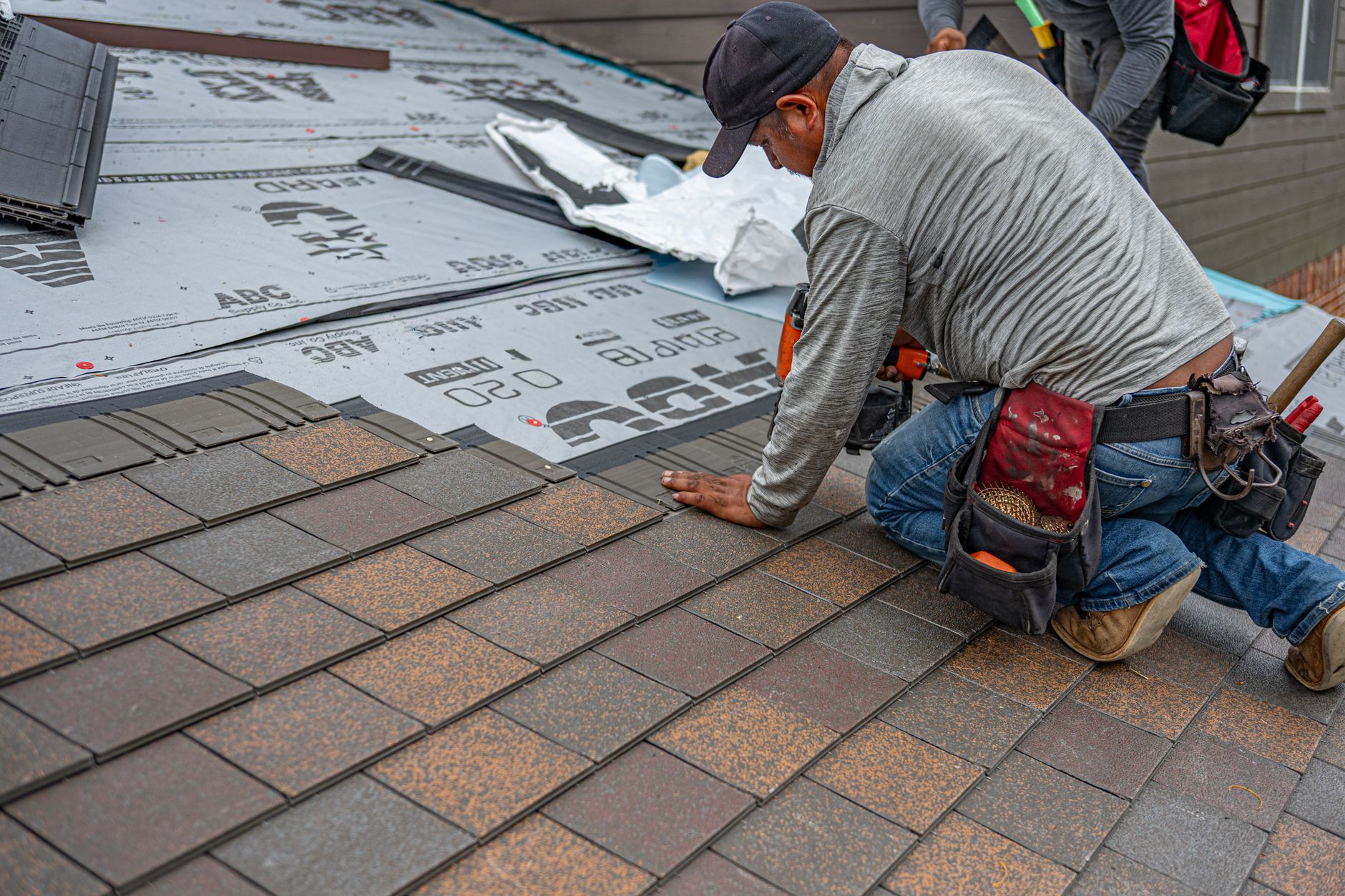
The licensing truth
Start from the uncomfortable fact: Texas has no state roofing license, so a business card proves nothing. The Roofing Contractors Association of Texas runs a voluntary licensing program, and a roofer who bothered to earn it has passed testing and carries the insurance the program requires, which tells you something real. Ask whether they hold it.
Not holding it does not make a roofer bad, but it moves more weight onto your other checks.
The checks that actually filter
Ask for a certificate of insurance for both liability and workers comp sent to you directly from the insurance carrier, because a photocopy from a folder can be expired or fake, and an uninsured crew on your roof is your financial problem when someone falls. Then ask for addresses of roofs they did here three or more years ago; the coast tests a roof fast, and a local list that survived some weather is worth more than any brochure.
The storm-season filters
After hail or a hurricane, the filters get simpler: a real roofer will not ask for money up front, will not push a contract before walking you through options, will not offer to eat your deductible, which is illegal in Texas, and will still be in town next year when a warranty question comes up. Out-of-state plates and a today-only price are the whole warning label.
- No state license exists, so insurance proof and local history carry the weight
- RCAT licensing is voluntary and worth asking about
- Never money up front, never a contract before options
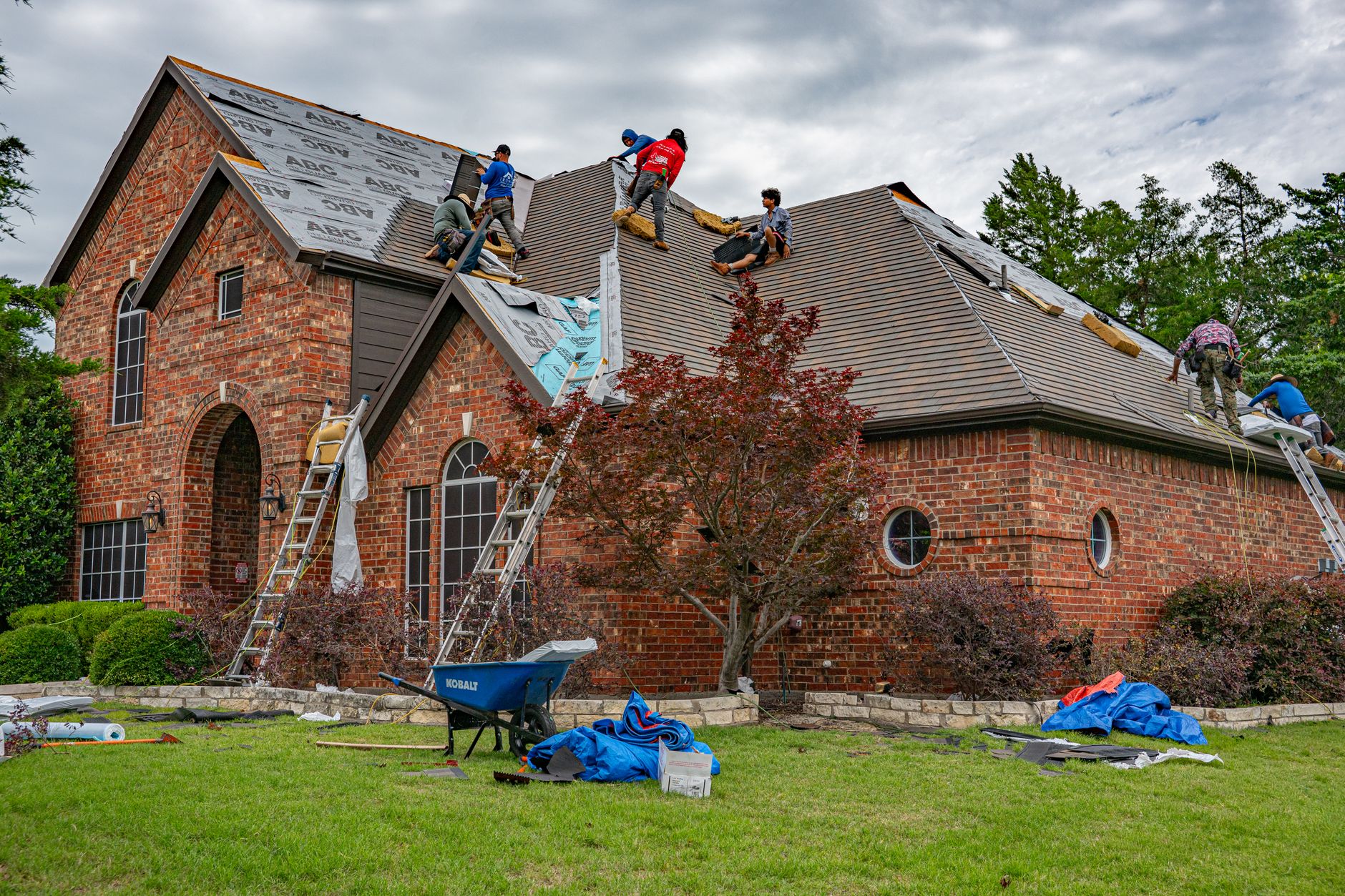
Questions people ask about How to Choose a Roofer
What should I check no matter what?
Four things, every time: proof of liability insurance sent directly from their insurer, not a photocopy; how long they have worked this area under this name; local references you can actually call; and a written scope before any money moves. Anyone offended by those four is answering your question.
New to this? The plain-English guide to ordering walks through what to decide first.